Why Telemedicine Is Changing Healthcare Access in eSwatini
Access to healthcare remains one of the most important foundations of community wellbeing. Yet for many people, receiving timely medical care is not always straightforward.
Distance, travel costs, long waiting times and busy schedules may delay healthcare decisions and make routine medical support more difficult to access.
This is where telemedicine is creating meaningful change.
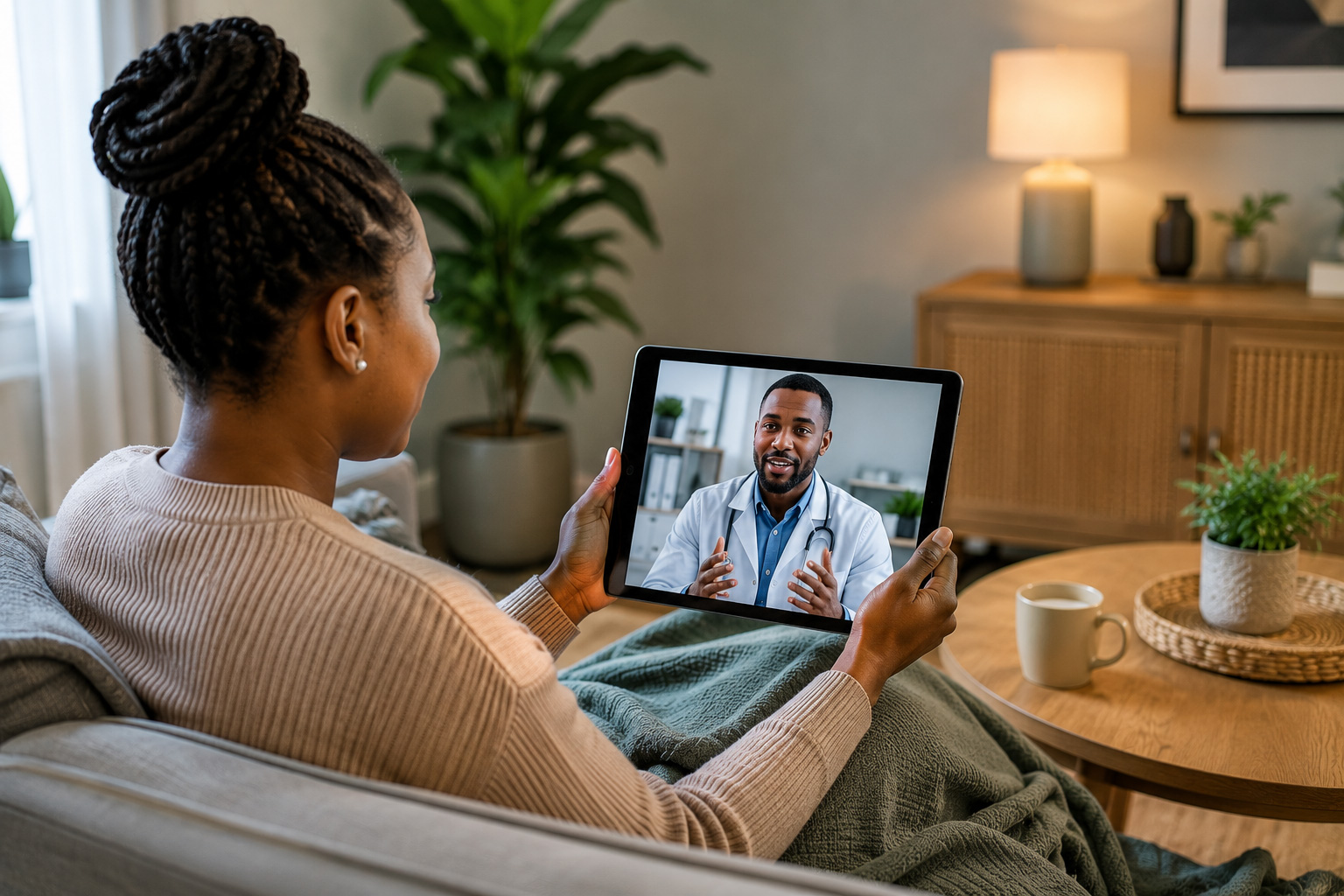
Telemedicine allows patients to consult with qualified healthcare professionals remotely using digital technology. Rather than replacing traditional healthcare, virtual consultations expand access and provide additional ways for people to receive timely medical advice.
Across the world, telehealth is reshaping how healthcare is delivered.
In eSwatini, this shift holds particular significance.
By improving accessibility, convenience and affordability, telemedicine is helping bring healthcare closer to the people who need it.
What Is Telemedicine?
Telemedicine refers to healthcare consultations conducted remotely through secure digital platforms.
Patients may connect with healthcare professionals using:
• Smartphones
• Tablets
• Computers
• Online consultation platforms
Virtual consultations may support healthcare needs such as:
• General medical advice
• Follow-up consultations
• Prescription requests
• Medical guidance
• Routine healthcare concerns
• Healthcare referrals
Telemedicine expands access to care without requiring every consultation to take place in person.
The objective is to make healthcare more accessible and responsive.
Healthcare Access Challenges Are Real
Access to healthcare may be influenced by many factors.
Patients may face challenges such as:
• Long travel distances
• Transportation costs
• Time away from work
• Limited appointment availability
• Waiting room delays
• Geographic barriers
For people living outside urban centres or balancing work and family responsibilities, these challenges may create delays in seeking care.
Delaying healthcare may allow manageable concerns to become more serious over time.
Improving access therefore remains an important healthcare priority.
Telemedicine Brings Healthcare Closer
One of telemedicine’s greatest advantages is convenience.
Instead of travelling long distances or spending hours waiting for appointments, patients may consult healthcare professionals from:
• Home
• Work
• School
• Remote locations
This convenience may support:
• Earlier medical advice
• Faster decision-making
• Reduced travel burden
• Better continuity of care
Healthcare becomes easier to access within daily life.
Convenience should not be confused with reduced quality.
Telemedicine aims to improve accessibility while maintaining professional medical support.
Affordability Matters
Healthcare affordability plays an important role in healthcare decision-making.
Indirect healthcare costs may include:
• Travel expenses
• Lost work hours
• Childcare arrangements
• Transportation logistics
Virtual consultations may help reduce some of these additional costs.
By lowering barriers to access, telemedicine may encourage patients to seek medical advice sooner rather than postponing care.
Accessible healthcare supports healthier communities.
Affordability and convenience often work together to improve healthcare engagement.
Telemedicine Supports Earlier Care
Many medical concerns benefit from early assessment.
Patients sometimes delay seeking care because symptoms feel manageable or healthcare access feels inconvenient.
Telemedicine may support earlier evaluation of:
• Cold and flu symptoms
• Minor illnesses
• Medication concerns
• Skin conditions
• Follow-up healthcare questions
• General medical guidance
Early conversations with healthcare professionals may help clarify whether symptoms require further investigation or treatment.
This may support earlier intervention and reduce unnecessary uncertainty.
Telemedicine Does Not Replace All Healthcare
Virtual healthcare is valuable, but it does not replace every type of medical care.
Some situations still require:
• Physical examination
• Emergency care
• Diagnostic procedures
• Hospital treatment
• In-person assessment
Telemedicine works best as part of a broader healthcare system.
Healthcare professionals may recommend in-person care whenever necessary.
The goal is not replacement.
It is improving healthcare access and flexibility.
Supporting Healthcare in Rural and Remote Areas
Telemedicine may be especially valuable in communities where healthcare access is limited by geography.
For patients in rural or remote areas, healthcare visits may involve:
• Long travel times
• Higher transportation costs
• Reduced healthcare availability
Digital healthcare may help reduce these barriers and support more consistent access to medical guidance.
Technology helps bring healthcare closer to communities that may otherwise experience reduced access.
This may contribute to more equitable healthcare delivery.
Technology Is Changing Patient Expectations
Digital services increasingly shape everyday life.
People now commonly use technology for:
• Banking
• Communication
• Shopping
• Education
Healthcare is evolving alongside these expectations.
Patients increasingly value:
• Convenience
• Accessibility
• Faster communication
• Flexible healthcare options
Telemedicine reflects these changing expectations and provides additional choice in how healthcare is accessed.
Technology should support healthcare relationships rather than replace them.
When used appropriately, it may improve responsiveness and patient experience.
Building Trust in Virtual Healthcare
Some patients may initially feel uncertain about virtual healthcare.
Questions may include:
• Is telemedicine effective?
• Can doctors assess symptoms remotely?
• Will care still feel personal?
These concerns are understandable.
Telemedicine consultations are conducted by qualified healthcare professionals and designed to provide safe, professional medical guidance.
Trust develops through positive healthcare experiences and clear communication.
Virtual healthcare should remain patient-centred and clinically appropriate.
The Future of Healthcare Is Becoming More Flexible
Healthcare delivery continues evolving.
The future is unlikely to involve only hospitals or only digital care.
Instead, healthcare is becoming more flexible and patient-focused.
Telemedicine may support:
• Improved accessibility
• Earlier care
• Greater convenience
• More responsive healthcare delivery
This flexibility helps patients access care in ways that better fit their circumstances and needs.
Healthcare works best when access becomes easier rather than harder.
Healthcare Should Be Within Reach
Access to medical care should not feel out of reach because of geography, time or unnecessary barriers.
Telemedicine is helping reshape this reality by expanding healthcare access and supporting more convenient care.
For many people in eSwatini, digital healthcare represents more than technology alone.
It represents opportunity.
Opportunity to seek advice sooner, manage health more proactively and connect with qualified healthcare professionals more easily.
Speak to a Healthcare Professional
TruMD eSwatini makes it easier to connect with qualified healthcare professionals through convenient virtual consultations.
Book your consultation online and experience healthcare designed around accessibility, affordability and convenience.