Diabetes in Eswatini: Recognising the Early Warning Signs
Diabetes is becoming increasingly common across the world, including in Eswatini. Thousands of people are living with diabetes, and many don’t even realise they have it.
One of the biggest challenges is that Type 2 diabetes often develops slowly. Early symptoms can be mild and are easily mistaken for everyday tiredness or the effects of a busy lifestyle. As a result, many people go undiagnosed until complications begin to develop.
The good news is that early diagnosis and proper management can significantly reduce the risk of serious health problems. Understanding the warning signs is the first step towards protecting your health.
What Is Diabetes?
Diabetes is a condition that affects how your body regulates blood sugar (glucose).
Glucose is your body’s primary source of energy. It comes from the food you eat and is carried through your bloodstream to your cells.
The hormone insulin, produced by the pancreas, helps move glucose from the bloodstream into the cells.
Diabetes develops when:
- Your body doesn’t produce enough insulin.
- Your body cannot use insulin effectively.
- Both of these problems occur together.
As blood sugar levels remain elevated, damage can gradually occur to blood vessels, nerves and organs.
Types of Diabetes
Type 1 Diabetes
Type 1 diabetes usually develops during childhood or early adulthood.
It occurs when the immune system attacks the insulin-producing cells in the pancreas.
People with Type 1 diabetes require lifelong insulin treatment.
Type 2 Diabetes
Type 2 diabetes is by far the most common form.
It usually develops in adulthood but is increasingly being diagnosed in younger people.
Lifestyle factors, genetics and excess body weight all contribute to the risk.
Gestational Diabetes
Some women develop diabetes during pregnancy.
Although it often resolves after delivery, it increases the future risk of developing Type 2 diabetes.
Early Warning Signs
Because diabetes develops gradually, many symptoms are overlooked.
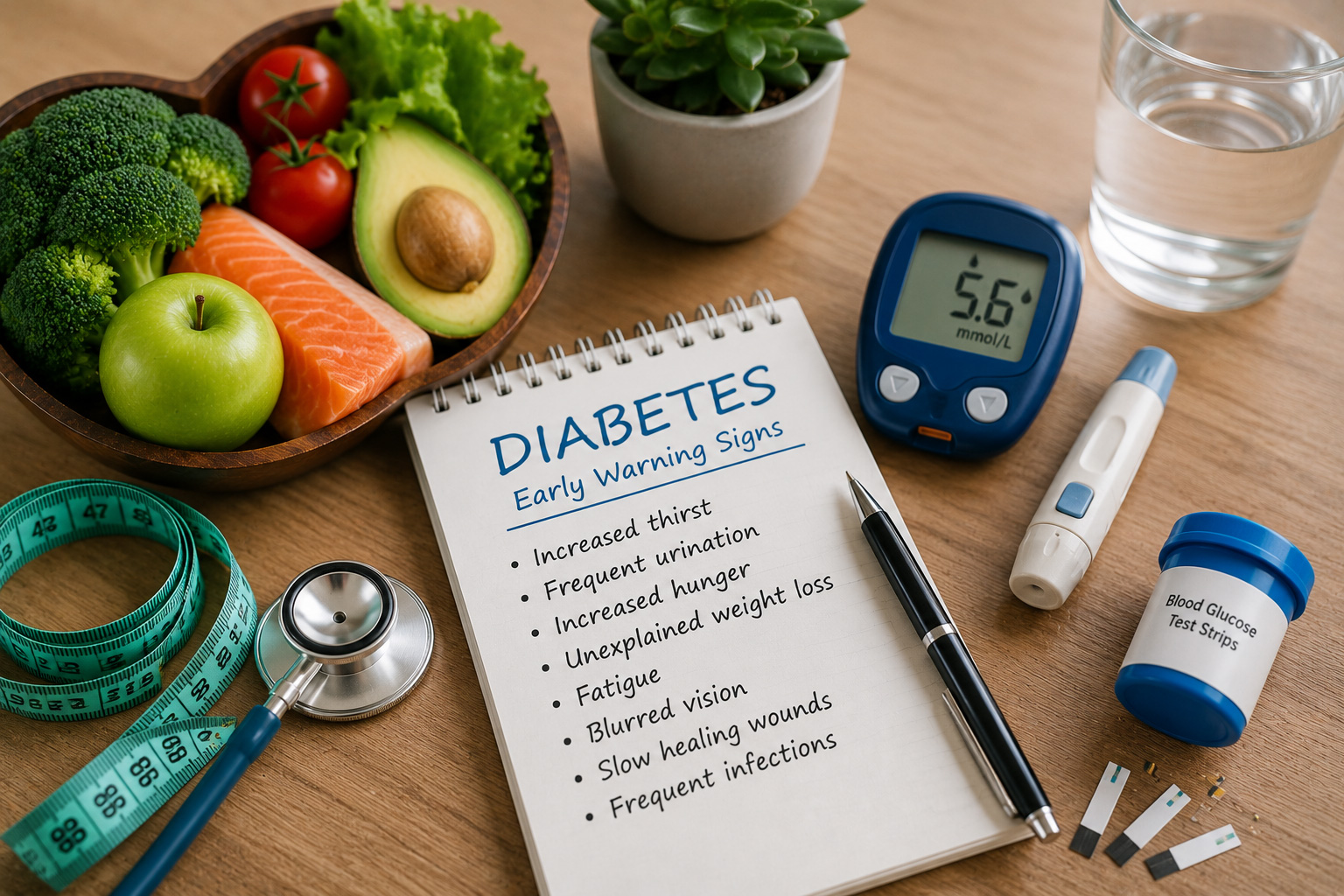
Common signs include:
- Feeling unusually thirsty
- Frequent urination
- Increased hunger
- Unexplained weight loss
- Persistent tiredness
- Blurred vision
- Slow-healing cuts and wounds
- Frequent infections
- Tingling or numbness in the hands or feet
If you notice several of these symptoms, it’s important to speak to a healthcare professional.
Who Is at Risk?
Anyone can develop diabetes, but certain factors increase your risk.
These include:
- Family history of diabetes
- Being overweight
- Physical inactivity
- High blood pressure
- High cholesterol
- Previous gestational diabetes
- Increasing age
Having one or more risk factors doesn’t mean you will develop diabetes, but it does mean regular health checks are important.
Why Early Diagnosis Matters
Untreated diabetes can lead to serious complications over time, including:
- Heart disease
- Stroke
- Kidney disease
- Vision loss
- Nerve damage
- Poor wound healing
- Foot complications
Early diagnosis allows treatment to begin before permanent damage occurs.
Can Diabetes Be Prevented?
While Type 1 diabetes cannot currently be prevented, many cases of Type 2 diabetes can be delayed or prevented through healthy lifestyle choices.
Simple steps include:
Eat a balanced diet
Choose more:
- Fresh vegetables
- Fruit
- Whole grains
- Lean protein
- Beans and legumes
Reduce sugary drinks, processed snacks and highly refined carbohydrates where possible.
Stay physically active
Aim for at least 30 minutes of moderate physical activity on most days of the week.
Walking, cycling, dancing or playing sport all contribute to better blood sugar control.
Maintain a healthy weight
Even modest weight loss can significantly reduce the risk of developing Type 2 diabetes.
Don’t smoke
Smoking increases the risk of diabetes complications and cardiovascular disease.
Living Well With Diabetes
A diabetes diagnosis doesn’t mean you can’t live a healthy and active life.
Successful diabetes management usually includes:
- Regular blood sugar monitoring
- Healthy eating
- Physical activity
- Taking medication as prescribed
- Routine medical check-ups
- Managing blood pressure and cholesterol
Working closely with your healthcare provider helps reduce the risk of long-term complications.
When Should You See a Doctor?
Arrange a medical consultation if:
- You have symptoms of diabetes.
- You have a family history of diabetes.
- You’re experiencing unexplained fatigue.
- Your vision has recently become blurry.
- Cuts or wounds are taking longer than usual to heal.
- You’re concerned about your blood sugar levels.
Early assessment makes treatment more effective.
How TruMD Eswatini Can Help
Managing your health has never been more convenient.
Through secure online consultations, TruMD Eswatini connects you with qualified healthcare professionals who can assess your symptoms, discuss your risk factors, recommend appropriate testing and guide you on the next steps.
Whether you’re concerned about diabetes or simply want professional medical advice, quality healthcare is only a few clicks away.
Final Thoughts
Diabetes often develops silently, but recognising the early warning signs can make a significant difference.
Early diagnosis, healthy lifestyle choices and regular medical care help prevent complications and support a healthier future.
Taking action today could protect your health for years to come.
Take Control of Your Health Today
If you’re experiencing symptoms of diabetes or would like advice about your health, TruMD Eswatini is here to help.
Book a secure online consultation with one of our experienced healthcare professionals and receive trusted medical advice—wherever you are in Eswatini.