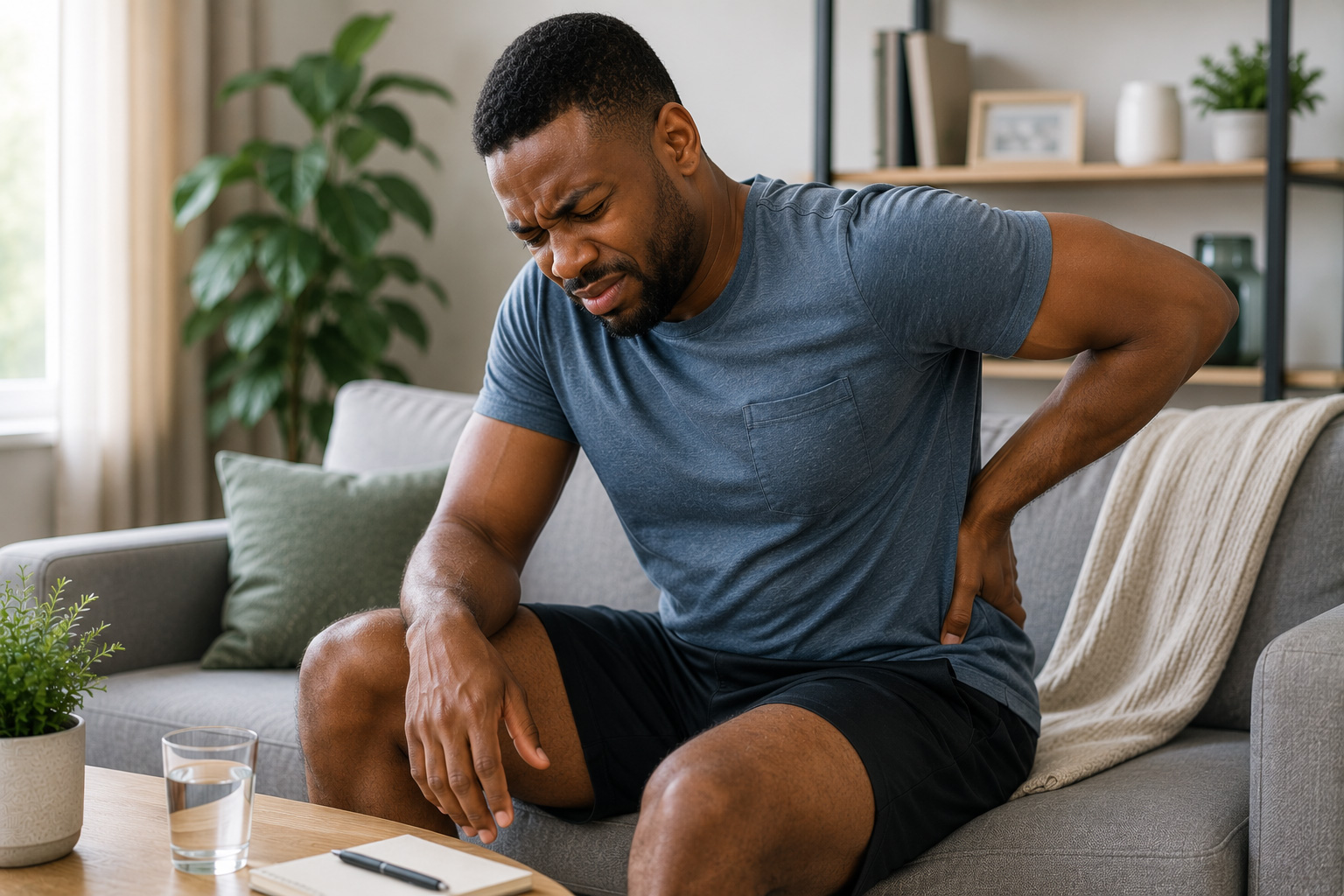
Why You Should Never Ignore Persistent Back or Joint Pain
Back pain and joint pain are among the most common reasons people visit a healthcare professional. Whether it’s caused by sitting at a desk all day, lifting heavy objects, a previous injury or simply everyday wear and tear, pain can have a significant impact on your quality of life.
While many episodes of pain improve with rest and simple self-care, ongoing or worsening pain should never be ignored. Persistent discomfort may be a sign of an underlying condition that requires medical assessment and treatment.
The sooner the cause is identified, the sooner you can begin managing your symptoms and preventing long-term complications.
Common Causes of Back Pain
Back pain can develop for many different reasons.
Some of the most common include:
- Muscle strain
- Poor posture
- Heavy lifting
- Sports injuries
- Arthritis
- Herniated (slipped) discs
- Osteoporosis
- Degenerative changes with ageing
In many cases, simple changes to posture, movement and strengthening exercises can make a significant difference.
Common Causes of Joint Pain
Joint pain may affect the knees, hips, shoulders, wrists or other joints throughout the body.
Possible causes include:
- Osteoarthritis
- Rheumatoid arthritis
- Previous injuries
- Tendon or ligament injuries
- Overuse
- Gout
- Infections
- Autoimmune conditions
Pain may develop gradually or suddenly depending on the underlying cause.
Symptoms You Shouldn’t Ignore
Arrange a medical assessment if your pain:
- Lasts longer than a few weeks
- Continues to worsen
- Interferes with work or daily activities
- Wakes you during the night
- Is associated with swelling or redness
- Limits your movement
- Is accompanied by fever or unexplained weight loss
- Causes numbness, tingling or weakness
These symptoms may indicate a condition that requires further investigation.
When Back Pain Is an Emergency
Seek urgent medical attention if you experience:
- Sudden loss of bladder or bowel control
- Severe weakness in your legs
- Numbness around the groin or buttocks
- Severe pain after a fall or accident
- Difficulty walking due to sudden weakness
These symptoms require immediate medical evaluation.
How Lifestyle Affects Your Back and Joints
Daily habits play a major role in keeping your muscles and joints healthy.
Maintain Good Posture
Whether sitting at a desk or driving, keeping your spine properly aligned reduces unnecessary strain.
Take regular breaks if you sit for long periods.
Stay Physically Active
Movement helps strengthen muscles, improve flexibility and support healthy joints.
Low-impact activities such as:
- Walking
- Swimming
- Cycling
- Stretching
- Yoga
are often beneficial.
Maintain a Healthy Weight
Excess body weight places additional pressure on the spine, hips and knees.
Even modest weight loss can reduce pain and improve mobility.
Lift Safely
When lifting heavy objects:
- Bend your knees.
- Keep the object close to your body.
- Avoid twisting while lifting.
- Ask for help when necessary.
Correct lifting techniques reduce the risk of injury.
Home Care for Mild Pain
If your symptoms are mild, you may find relief by:
- Resting briefly (without prolonged bed rest)
- Applying heat or cold packs
- Gentle stretching
- Staying active within your comfort level
- Taking pain relief medication as advised by your healthcare provider
Avoid remaining inactive for long periods, as this can actually delay recovery.
Preventing Future Problems
Protecting your back and joints starts with healthy daily habits.
Simple preventative measures include:
- Regular exercise
- Strength training
- Stretching
- Maintaining a healthy weight
- Wearing supportive footwear
- Using correct posture
- Taking regular movement breaks during the day
Small lifestyle changes can significantly reduce your risk of future pain.
When Should You Speak to a Healthcare Professional?
Book a consultation if:
- Pain persists for more than two to four weeks.
- Your symptoms continue to worsen.
- Pain is affecting your sleep.
- You struggle to perform everyday tasks.
- You’re unsure what caused your pain.
- You need advice about treatment options.
Early diagnosis often leads to faster recovery and better long-term outcomes.
How TruMD Eswatini Can Help
If you’re experiencing persistent back or joint pain, TruMD Eswatini’s healthcare professionals can assess your symptoms through a secure online consultation.
They can discuss possible causes, recommend appropriate treatment, advise whether imaging or further investigations may be necessary and guide you on the next steps for recovery.
Professional medical advice is available wherever you are in Eswatini.
Final Thoughts
Back and joint pain are common, but they should never simply be accepted as part of everyday life.
Understanding the cause of your symptoms, making healthy lifestyle changes and seeking medical advice when needed can help you stay active, comfortable and independent.
Looking after your joints today helps protect your mobility for years to come.
Don’t Let Pain Hold You Back
If persistent back or joint pain is affecting your daily life, TruMD Eswatini is here to help.
Book a secure online consultation today and receive trusted medical advice from experienced healthcare professionals—quickly, conveniently and wherever you are in Eswatini.