The Silent Pressure: Why Every Adult in Eswatini Should Know Their Blood Pressure
You can feel a headache.
You notice when you have a fever.
You know when your throat hurts.
High blood pressure is different.
For many people, it causes no obvious symptoms at all.
Someone can feel perfectly healthy, go about their normal routine and have significantly raised blood pressure without knowing it.
That is why hypertension is often described as a silent condition — and why simply knowing your blood pressure is one of the easiest preventative health checks you can make.
In Eswatini, this matters more than many people may realise.
High Blood Pressure Is Common in Eswatini
Hypertension is becoming an increasingly important health concern in Eswatini as noncommunicable diseases such as cardiovascular disease, diabetes and cancer account for a growing proportion of illness and death.
Recent WHO estimates indicate that 37% of adults aged 30–79 in Eswatini are living with hypertension.
That represents an estimated 155,000 people within this age group.
Even more concerning is the number of people whose blood pressure is not adequately controlled.
WHO estimates that only around 14% of adults with hypertension in Eswatini have their blood pressure under control.
That means many people are either:
- Unaware that they have high blood pressure
- Diagnosed but not receiving treatment
- Receiving treatment but still not adequately controlled
The first step towards changing that is remarkably simple:
Check your blood pressure.
What Is Blood Pressure?
Every time your heart beats, it pumps blood through blood vessels around your body.
Blood pressure describes the force that this circulating blood places against the walls of your arteries.
Your reading contains two numbers.
For example:
120/80 mmHg
The first number is your systolic blood pressure — the pressure when your heart contracts.
The second is your diastolic blood pressure — the pressure when your heart relaxes between beats.
Blood pressure naturally changes throughout the day depending on activity, stress, sleep and other factors.
A single unusual reading therefore does not automatically mean you have hypertension.
Persistent high readings need to be assessed properly.
Why Is High Blood Pressure Dangerous?
The problem with uncontrolled hypertension is not necessarily how you feel today.
It is what persistently high pressure can gradually do to your blood vessels and organs over time.
Untreated or poorly controlled hypertension can increase your risk of:
- Stroke
- Heart attack
- Heart failure
- Kidney disease
- Damage to blood vessels
- Vision problems
- Other cardiovascular complications
WHO identifies hypertension as one of the world’s major causes of premature death.
In Eswatini, cardiovascular disease is already an important contributor to illness and mortality.
Controlling blood pressure can therefore make a meaningful difference to long-term health.
But Wouldn’t I Know If My Blood Pressure Was High?
Usually, no.
This is one of the most important things to understand about hypertension.
Most people with high blood pressure do not experience symptoms.
You should not wait for:
- Headaches
- Dizziness
- Heart palpitations
- Feeling flushed
- Tiredness
before checking your blood pressure.
These symptoms can occur for many reasons and are not reliable ways of identifying hypertension.
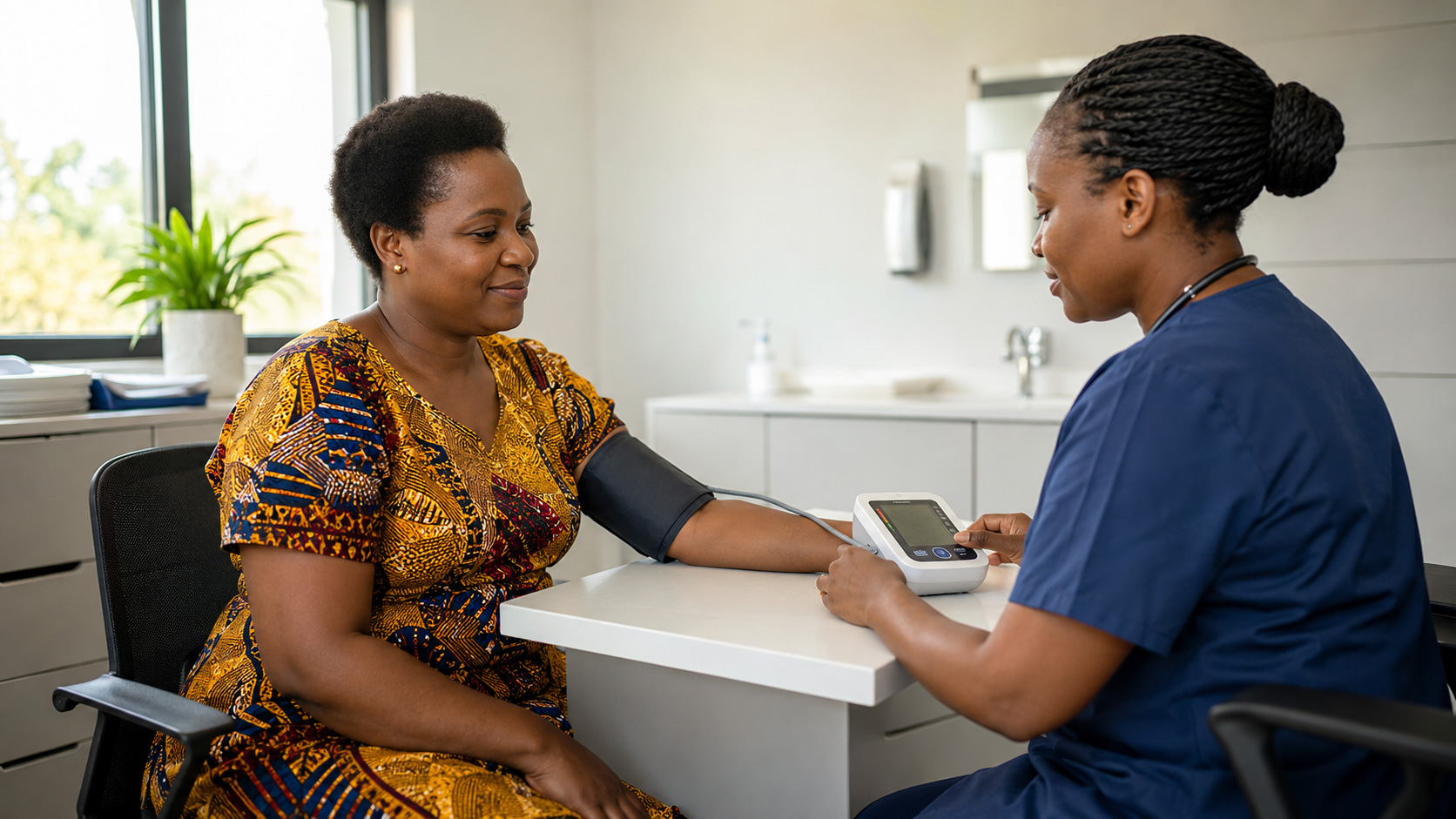
The only reliable way to know your blood pressure is to measure it.
Who Should Have Their Blood Pressure Checked?
Every adult benefits from knowing their blood pressure.
Checking becomes particularly important if you:
- Are over the age of 30
- Have a family history of hypertension
- Have diabetes
- Have kidney disease
- Are overweight
- Smoke
- Drink alcohol frequently or heavily
- Eat a diet high in salt
- Are physically inactive
- Have previously had a high blood pressure reading
- Have cardiovascular disease
- Are pregnant
Even people who exercise regularly and consider themselves healthy can develop hypertension.
Lifestyle is important, but genetics, ageing and other health conditions can also play a role.
Family History Matters
If your parents or close relatives have high blood pressure, your own risk may be higher.
That doesn’t mean hypertension is inevitable.
It does mean you should be particularly aware of your blood pressure and other cardiovascular risk factors.
Ask your parents or close family members:
“Do you have high blood pressure?”
It’s a surprisingly useful piece of family medical history.
Salt Can Affect Blood Pressure
Sodium — most commonly consumed as salt — can contribute to high blood pressure in some people.
The challenge is that much of the salt we eat doesn’t necessarily come from the salt shaker.
It can already be present in:
- Processed meats
- Packet soups
- Stock cubes
- Sauces
- Salty snacks
- Fast food
- Processed foods
- Some breads and convenience foods
WHO’s hypertension profile for Eswatini estimates average salt intake among adults at around 7 grams per day, which is above WHO’s general recommendation of less than 5 grams of salt per day.
You don’t need to eliminate salt completely.
Instead, become more aware of how much you’re consuming across an entire day.
Movement Helps
Regular physical activity supports heart and blood-vessel health and can help reduce the risk of hypertension.
You don’t necessarily need a gym membership or complicated exercise programme.
Useful activity can include:
- Brisk walking
- Cycling
- Dancing
- Running
- Gardening
- Sport
- Active household work
- Structured exercise
The important part is consistency.
If you’ve been inactive for a long period or have an existing medical condition, speak to a healthcare professional before beginning an intense exercise programme.
Weight Is Only One Part of the Picture
Maintaining a healthy weight can help reduce cardiovascular risk.
But hypertension should never be thought of as something that only affects people who are overweight.
A slim, active person can still have high blood pressure.
Likewise, weight alone does not tell us everything about someone’s cardiovascular health.
Blood pressure needs to be measured directly.
Smoking and Alcohol Matter Too
Smoking damages blood vessels and significantly increases cardiovascular risk.
If you smoke, stopping is one of the most valuable things you can do for your long-term heart health.
Alcohol consumption can also contribute to elevated blood pressure, particularly when consumed excessively.
If you are concerned about your alcohol or tobacco use, a healthcare professional can help you discuss realistic strategies for reducing your risk.
What If Your Blood Pressure Is High at One Appointment?
Don’t panic.
Blood pressure can temporarily increase because of:
- Stress
- Anxiety
- Physical activity
- Caffeine
- Pain
- Certain medication
- A full bladder
- Being nervous in a healthcare setting
This is why hypertension is generally diagnosed using repeated readings rather than one isolated measurement, unless the reading is extremely high or accompanied by concerning symptoms.
A healthcare professional may ask you to return for another measurement or monitor your blood pressure at home.
Measuring Blood Pressure at Home
Home blood pressure monitors can be useful for some people, particularly those who have already been diagnosed with hypertension.
But technique matters.
For a more reliable reading:
- Sit quietly for several minutes beforehand.
- Keep your feet flat on the floor.
- Support your back.
- Rest your arm comfortably.
- Position the cuff correctly.
- Avoid talking during the measurement.
- Take readings at similar times when monitoring trends.
Use a properly validated monitor with a cuff suitable for your arm size.
If your home readings repeatedly appear high, take the results to a healthcare professional.
What Happens If You’re Diagnosed With Hypertension?
A diagnosis does not necessarily mean your life needs to change dramatically overnight.
Treatment depends on how high your blood pressure is, your overall cardiovascular risk and whether you have other medical conditions.
Your management plan may involve:
- Dietary changes
- Regular physical activity
- Reducing salt
- Weight management where appropriate
- Limiting alcohol
- Stopping smoking
- Medication
- Regular blood pressure monitoring
For many people, medication forms an important part of controlling hypertension.
Don’t Stop Blood Pressure Medication Because You Feel Fine
This is extremely important.
When treatment successfully lowers your blood pressure, you may feel exactly the same as you did beforehand.
That doesn’t mean the medication is unnecessary.
Remember: high blood pressure often caused no symptoms in the first place.
Stopping medication suddenly because you “feel fine” may allow your blood pressure to rise again.
If you’re experiencing side effects, concerned about cost or unsure whether you still need your medication, speak to a healthcare professional before changing or stopping treatment.
There may be alternative medications or adjustments available.
What About Traditional or Herbal Remedies?
If you use traditional medicine, herbal preparations or supplements while receiving treatment for hypertension, tell your doctor.
Some preparations may affect blood pressure themselves or interact with prescription medication.
You don’t need to hide traditional medicine from your healthcare provider.
They need the complete picture to help you use different treatments as safely as possible.
When Is High Blood Pressure an Emergency?
Most hypertension is managed through routine medical care.
However, extremely high blood pressure accompanied by serious symptoms can require urgent medical attention.
Seek emergency medical care if very high blood pressure occurs together with symptoms such as:
- Severe chest pain
- Serious difficulty breathing
- Sudden weakness or numbness
- Difficulty speaking
- Sudden confusion
- Loss of consciousness
- Severe sudden headache
- New vision loss
- Seizures
These symptoms may indicate a medical emergency such as a stroke or heart problem.
Do not rely on an online consultation when immediate emergency care is required.
High Blood Pressure and Pregnancy
Blood pressure monitoring is particularly important during pregnancy.
Some women develop high blood pressure for the first time during pregnancy, and conditions such as pre-eclampsia can become serious for both mother and baby.
Pregnant women should attend recommended antenatal appointments where blood pressure can be monitored.
Urgent medical assessment may be needed if high blood pressure in pregnancy is accompanied by symptoms such as severe headache, visual disturbances, significant swelling, severe upper abdominal pain or feeling very unwell.
Eswatini’s Wider NCD Challenge
High blood pressure forms part of a bigger shift in Eswatini’s health landscape.
WHO’s 2025 country report states that noncommunicable diseases now account for approximately 46% of deaths in Eswatini, increasing from 38% in 2017.
The country’s 2024 STEPS survey also identified important cardiovascular risk factors including obesity, physical inactivity, tobacco use and hypertension.
This means preventative healthcare increasingly needs to address both infectious diseases and long-term conditions such as hypertension and diabetes.
And unlike many complicated medical investigations, blood pressure screening is relatively quick and simple.
When Last Did You Check Yours?
If you cannot remember your most recent blood pressure reading, that is probably a good reason to have it checked.
Particularly if you’re over 30 or have other cardiovascular risk factors.
A few minutes today could reveal something that otherwise might remain unnoticed for years.
And discovering high blood pressure early gives you the opportunity to manage it before complications occur.
Already Have a Blood Pressure Reading You’re Worried About?
If you’ve recently checked your blood pressure and the reading was higher than expected, don’t rely solely on internet searches to interpret it.
A healthcare professional can consider the reading alongside your age, medical history, medication and other risk factors.
TruMD Eswatini provides convenient online access to qualified healthcare professionals who can discuss your blood pressure, medication and cardiovascular risk and advise whether you require further monitoring or an in-person assessment.
High blood pressure may be silent.
Your response to it doesn’t have to be.
Know your numbers. Talk to a doctor with TruMD Eswatini.