Umhlanga 2026: Staying Healthy During a Week of Walking, Dancing and Celebration
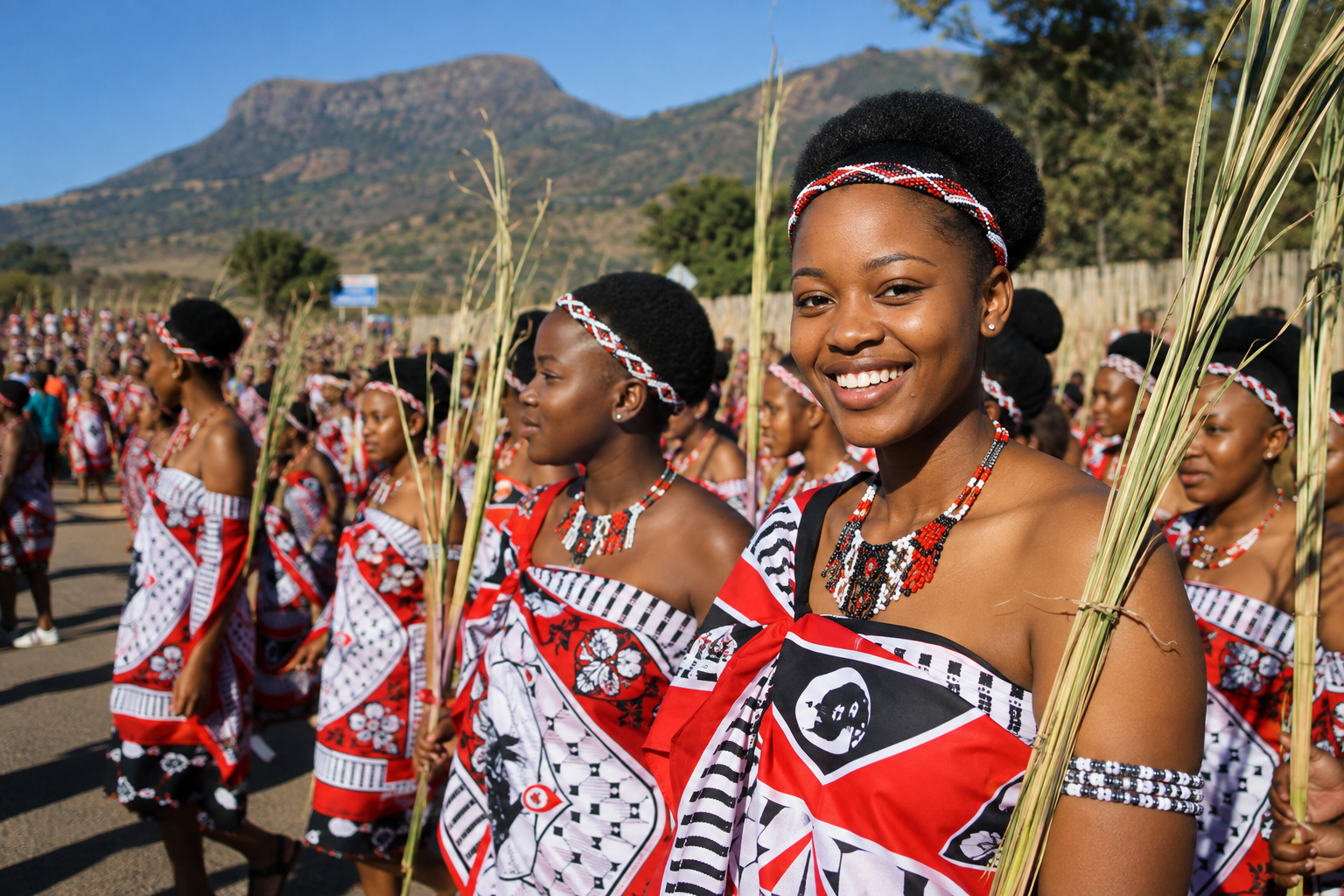
Every year, thousands of young women from across Eswatini come together for one of the country’s most significant cultural celebrations: Umhlanga, the Reed Dance.
In 2026, the ceremony takes place from 25–31 August, beginning with registration and preparations before reed cutting, returning with the reeds, presentation and the main dance.
It is a week filled with tradition, community, movement and celebration.
It can also mean long days outdoors, considerable walking, changes to normal eating and sleeping routines, large crowds and time away from home.
Looking after your health during the week doesn’t have to be complicated.
From staying hydrated to caring for sore feet and knowing when an illness needs medical attention, a little preparation can help you enjoy the experience while taking care of yourself.
Start With Hydration
When you’re walking, dancing and spending long periods outdoors, your body loses more fluid than it would during an ordinary day.
Don’t wait until you’re extremely thirsty before drinking.
Try to drink water regularly throughout the day, particularly if you’re physically active.
Signs that you may need more fluid can include:
- Thirst
- Dry mouth
- Headache
- Feeling unusually tired
- Dizziness
- Darker urine
- Urinating less frequently than normal
Severe dehydration can cause significant weakness, confusion, fainting or very little urine and requires medical attention.
Young people sometimes push through tiredness because everyone around them is continuing.
Listen to your body.
Feeling dizzy or faint is a reason to stop, sit down, drink something and ask for help if you don’t recover.
Don’t Forget to Eat
A busy programme can also disrupt normal meals.
Going for long periods without eating while you’re physically active may leave you feeling weak, light-headed or irritable.
Where possible, eat regular meals and choose foods that provide sustained energy.
This might include combinations of:
- Starchy foods
- Vegetables
- Fruit
- Protein such as meat, eggs, beans or dairy
- Water or other appropriate fluids
If you’re carrying snacks, choose foods that can safely remain unrefrigerated.
Food that requires refrigeration shouldn’t be left sitting in warm conditions for extended periods.
Vomiting and diarrhoea are particularly unpleasant when you’re away from home, and food hygiene becomes even more important when large numbers of people are eating and travelling together.
Take Care of Your Feet
Umhlanga involves considerable movement.
Even if you’re normally active, several days of walking and dancing can leave your feet feeling the strain.
Blisters, rubbing and minor cuts can quickly become uncomfortable.
If possible:
- Keep your feet clean and dry.
- Check for blisters or broken skin at the end of the day.
- Clean minor wounds properly.
- Avoid deliberately breaking intact blisters.
- Rest your feet when you have the opportunity.
- Tell someone if pain becomes severe or you develop significant swelling.
A small blister is usually manageable.
A wound that becomes increasingly painful, swollen, hot, red or starts producing discharge may be becoming infected and should be assessed.
People living with diabetes should be particularly careful with foot injuries because wounds can sometimes require more urgent attention.
Protect Yourself From Too Much Sun
Even during cooler parts of the year, spending many hours outdoors means significant sun exposure.
Sunburn can occur long before you realise how much sun you’ve had.
Where practical:
- Use sunscreen on exposed skin.
- Reapply it during long periods outdoors.
- Seek shade during breaks.
- Drink water regularly.
- Cover exposed skin when appropriate.
A little sunburn may be uncomfortable.
Feeling faint, confused, very weak or unusually hot is different and deserves attention.
If someone collapses, becomes confused or is difficult to wake, get medical help.
Rest Matters More Than You Think
Excitement, travelling and sleeping away from your normal environment can mean much less sleep than usual.
One short night might leave you tired.
Several nights of poor sleep combined with physical activity can affect:
- Energy
- Concentration
- Mood
- Coordination
- Immune function
- Decision-making
Take opportunities to rest when they’re available.
Feeling exhausted isn’t a sign that you’re not strong enough to participate.
It’s your body asking for recovery.
Keep Your Regular Medication With You
If you take medication every day, don’t let a change in routine interrupt your treatment.
This is particularly important for people taking medication for conditions such as:
- HIV
- Epilepsy
- Asthma
- Diabetes
- High blood pressure
- Mental health conditions
- Allergies
- Other chronic illnesses
Bring enough medication for the period you’ll be away.
Keep it somewhere safe and dry, and set an alarm on your phone if you’re worried that a busy schedule will make you forget your usual dose.
Never share prescription medication with someone else, even if their symptoms seem similar to yours.
If medication needs special storage, such as refrigeration, plan for this before leaving home.
Asthma? Keep Your Inhaler Accessible
Dust, physical exertion and changes in weather can sometimes trigger respiratory symptoms in people with asthma.
If you use a reliever inhaler, keep it somewhere you can access quickly rather than packed away at the bottom of your luggage.
Seek urgent medical attention if:
- Breathing becomes severely difficult
- You cannot speak comfortably
- Your reliever medication isn’t helping
- You feel faint
- Your lips or skin appear blue or grey
Serious breathing difficulty isn’t something to wait out.
Menstrual Health Is Part of Health Too
Getting your period during a major event can be inconvenient, but it shouldn’t prevent you from participating in normal activities if you’re otherwise well.
Prepare beforehand.
Pack enough of the menstrual products you normally use, along with additional underwear and any pain relief that is appropriate for you.
Change menstrual products regularly and wash your hands before and afterwards where possible.
Period pain is common.
However, extremely severe pain, unusually heavy bleeding, fainting or bleeding that seems very different from your normal period deserves medical advice.
Menstrual health is healthcare.
There is no reason to feel embarrassed about asking for help.
Don’t Ignore Symptoms of an Infection
Being surrounded by large groups of people naturally means greater opportunity for common infections to spread.
Pay attention if you develop symptoms such as:
- Fever
- Persistent cough
- Severe sore throat
- Vomiting
- Diarrhoea
- Significant weakness
- Difficulty breathing
- A new concerning rash
- Severe headache
Many illnesses are mild and settle with rest and supportive care.
But if you’re becoming progressively more unwell, ask for medical help rather than continuing simply because you don’t want to miss the event.
Know Your HIV Status
Eswatini has made remarkable progress in expanding HIV testing, treatment and prevention.
Continuing that progress requires young people to have accurate information and access to confidential healthcare.
Knowing your HIV status allows you to make informed decisions about your health.
If you’re HIV-negative, healthcare professionals can discuss ways of protecting yourself and available HIV-prevention options.
If you’re living with HIV, taking antiretroviral medication consistently is one of the most important things you can do for your health.
Don’t interrupt treatment because you’re travelling or participating in Umhlanga.
This year, trained peer educators are also supporting health-awareness activities around Umhlanga, including information on HIV prevention, sexual and reproductive health, adolescent health and gender-based violence awareness.
Take advantage of reliable health information when it is available.
Protect Your Sexual and Reproductive Health
Sexual health is a normal part of healthcare.
Young people should have access to accurate information about:
- HIV prevention
- Condoms
- Contraception
- Sexually transmitted infections
- Pregnancy prevention
- Menstrual and reproductive health
- Consent
- Where to seek confidential healthcare
You should never feel pressured into sexual activity.
Consent must be freely given.
If you are sexually active, condoms remain important because they can help protect against both HIV and other sexually transmitted infections.
Other forms of contraception may help prevent pregnancy but generally do not provide the same STI protection.
A healthcare professional can help you understand which contraceptive methods are appropriate for you.
Don’t Ignore Possible STI Symptoms
Sexually transmitted infections don’t always cause symptoms.
When symptoms do occur, they might include:
- Unusual vaginal discharge
- Pain or burning when urinating
- Genital sores
- Unusual itching
- Lower abdominal or pelvic pain
- Bleeding outside your normal period
- Pain during sex
Don’t self-treat symptoms with medication borrowed from someone else.
Different infections can cause similar symptoms and require different treatment.
Testing and professional medical advice are much more useful than guessing.
Personal Safety Is Part of Wellbeing
Large gatherings can be exciting and joyful, but it is still sensible to remain aware of your surroundings.
Where possible:
- Stay connected to the group you’re travelling with.
- Know who your responsible adult, group leader or escort is.
- Keep important phone numbers accessible.
- Tell someone if you feel unsafe or unwell.
- Don’t accept unknown medication or substances from others.
- Keep your personal belongings secure.
- Look out for friends and group members.
If someone becomes separated from the group, injured or seriously ill, inform the appropriate organisers or responsible adults promptly.
No cultural celebration should require someone to remain silent when they feel unsafe.
When You Need Medical Help
Most minor health problems during a busy week can be managed with rest, fluids and appropriate first aid.
Some symptoms should not be ignored.
Seek urgent medical attention if someone experiences:
- Serious difficulty breathing
- Severe chest pain
- Loss of consciousness
- A seizure
- Significant uncontrolled bleeding
- Severe allergic reaction
- Confusion
- Signs of severe dehydration
- A serious injury
- Sudden weakness or inability to speak normally
- Severe or rapidly worsening illness
If you’re unsure whether symptoms require medical attention, asking early is usually better than waiting until someone becomes significantly worse.
Telemedicine Can Help When You’re Away From Home
Being away from your usual doctor doesn’t mean you have to rely entirely on internet searches or advice from friends.
For many non-emergency health concerns, a virtual medical consultation can provide useful guidance.
Through TruMD Eswatini, you can speak to a qualified healthcare professional about concerns such as:
- Fever
- Coughs and colds
- Stomach problems
- Minor skin conditions
- Menstrual concerns
- Medication questions
- Sexual and reproductive health
- Possible infections
- Whether you need an in-person examination
A healthcare professional can assess the information you provide and advise on the appropriate next step.
Telemedicine is not appropriate for serious medical emergencies, but it can make accessing initial healthcare advice much easier when you’re away from home or your normal healthcare provider.
Celebrate, Participate and Look After Yourself
Umhlanga is an extraordinary part of Eswatini’s cultural heritage.
For thousands of young women, it is also a week of travelling, walking, dancing, friendships and memories.
Looking after your health doesn’t take away from that experience.
It helps you enjoy it.
Drink enough water.
Eat.
Rest when you can.
Take your regular medication.
Look after your feet.
Pay attention when your body tells you something isn’t right.
And never feel embarrassed about asking a healthcare question.
TruMD Eswatini gives you access to qualified healthcare professionals through convenient online consultations, helping make medical advice more accessible wherever you are.
Enjoy Umhlanga. Celebrate your culture. And take care of your health along the way.