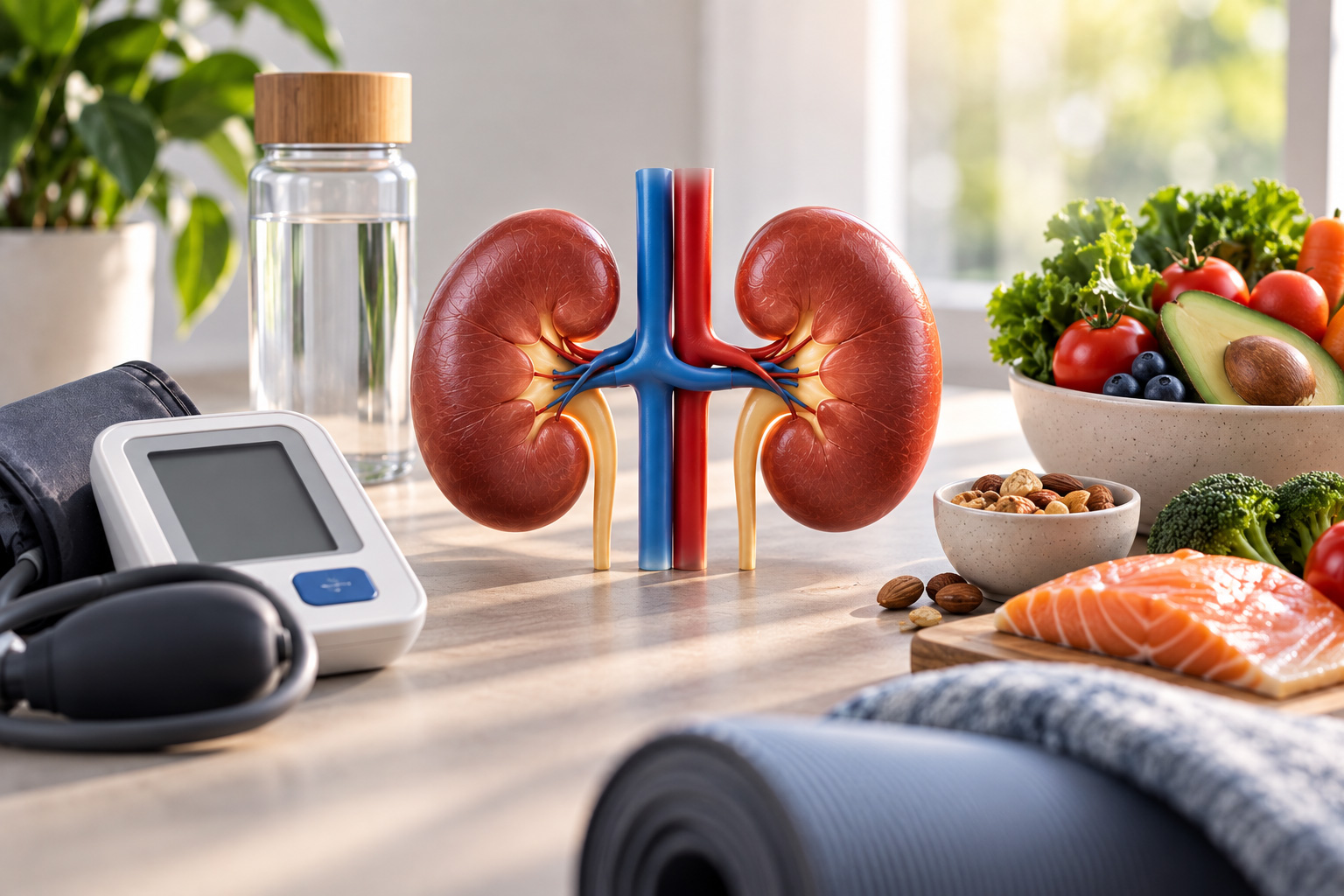
High Blood Pressure and Your Kidneys: The Connection You Should Know About
High blood pressure is often associated with heart attacks and strokes, but your heart is not the only organ that can be affected.
Your kidneys can also be damaged by uncontrolled blood pressure.
At the same time, kidney problems can contribute to high blood pressure, creating a cycle that may gradually affect your health without causing obvious symptoms.
During National Kidney Awareness Week from 1–5 September, it is a good time to understand the important connection between your blood pressure and your kidneys.
What do your kidneys actually do?
Most people know that the kidneys produce urine, but their role goes much further than that.
Your kidneys constantly filter your blood, removing waste products and excess fluid from the body.
They also help:
- Maintain the correct balance of fluids and minerals
- Regulate blood pressure
- Support healthy red blood cell production
- Keep bones healthy
- Maintain the body’s chemical balance
Healthy kidneys are essential for the normal functioning of the entire body.
How can high blood pressure damage the kidneys?
Your kidneys contain many tiny blood vessels that help filter your blood.
When blood pressure remains too high over a long period, it can place additional strain on these delicate blood vessels.
Gradually, the blood vessels may become damaged and the kidneys may become less effective at filtering waste and excess fluid.
The problem is that this damage can happen quietly.
You may have high blood pressure without feeling unwell, and early kidney disease may also cause no noticeable symptoms.
That makes routine health checks particularly important.
The relationship works both ways
High blood pressure can damage the kidneys, but kidney disease can also make blood pressure more difficult to control.
Healthy kidneys help regulate the amount of fluid and salt in the body.
When kidney function declines, excess fluid and sodium may build up, which can contribute to higher blood pressure.
This means hypertension and kidney disease can sometimes reinforce one another.
Managing one condition therefore often helps protect against complications from the other.
You may feel perfectly healthy
One of the most important things to understand about both hypertension and chronic kidney disease is that you cannot rely on symptoms alone.
Many people with high blood pressure have no symptoms.
Similarly, someone in the early stages of kidney disease may feel completely normal.
This is why health screening matters.
A simple blood pressure measurement can identify hypertension, while blood and urine tests can provide information about kidney function.
Who should pay particular attention?
Anyone can develop high blood pressure or kidney disease, but your risk may be higher if you:
- Have diabetes
- Have already been diagnosed with hypertension
- Have heart or cardiovascular disease
- Have a family history of kidney disease
- Are overweight or obese
- Smoke
- Regularly consume a high-salt diet
- Are older
- Have previously experienced kidney problems
If you already live with hypertension or diabetes, kidney health should form part of your regular healthcare discussions.
Diabetes also matters
Diabetes is another major cause of chronic kidney disease.
Persistently high blood sugar can damage the small blood vessels inside the kidneys over time.
This means people living with both diabetes and high blood pressure may have an increased risk of kidney complications.
Managing blood sugar and blood pressure carefully can therefore play an important role in protecting kidney function.
Signs of kidney problems
Although early kidney disease may not cause symptoms, more advanced kidney problems can sometimes cause:
- Swelling of the ankles, feet or legs
- Unusual tiredness
- Changes in how often you urinate
- Foamy urine
- Nausea or poor appetite
- Persistent itching
- Muscle cramps
- Difficulty concentrating
- Shortness of breath
These symptoms can have many other causes and do not automatically mean that you have kidney disease.
However, persistent or unexplained changes should be discussed with a healthcare professional.
How are your kidneys checked?
Healthcare professionals can assess kidney health using relatively straightforward tests.
A blood test can measure creatinine and help estimate how efficiently your kidneys are filtering your blood.
A urine test may also be used to look for protein or albumin, which can sometimes indicate kidney damage.
Your blood pressure will usually be checked as well.
If you have diabetes, hypertension or another condition that places your kidneys at risk, your healthcare professional may recommend these tests periodically.
Watch your salt intake
Salt contains sodium, and consuming too much sodium can contribute to raised blood pressure in some people.
A large amount of the salt we eat does not necessarily come from the salt shaker.
Processed foods, packet soups, sauces, seasoning mixes, processed meats, salty snacks and takeaway foods can all contain significant amounts of sodium.
Where possible:
- Taste your food before automatically adding salt
- Use herbs, spices, garlic or lemon for flavour
- Check food labels
- Eat more fresh, minimally processed foods
- Be mindful of salty sauces and seasoning products
Small changes can make a meaningful difference over time.
Be careful with medication too
Some medicines can affect kidney function, particularly when taken frequently, in high doses or by people who already have kidney disease.
This includes certain commonly used pain medicines.
Herbal and traditional remedies can also contain substances that affect the kidneys or interact with prescribed medication.
This does not mean you should stop medication that has been prescribed to you.
Instead, make sure your healthcare professional knows everything you take, including over-the-counter medicine, supplements and traditional remedies.
Hydration matters — but more is not always better
Drinking enough fluid is important, particularly in hot weather, during illness or when you have been physically active.
Severe dehydration can place stress on the kidneys.
However, there is no need for everyone to force themselves to drink enormous amounts of water.
Fluid requirements differ depending on your health, activity levels, environment and other factors.
People with certain heart or kidney conditions may even be advised to limit fluid intake.
If you are unsure how much fluid is appropriate for you, ask a healthcare professional.
Protecting your kidneys starts with everyday health
There is no single trick for keeping kidneys healthy.
The same habits that support overall health also help protect kidney function.
These include:
- Keeping your blood pressure controlled
- Managing diabetes carefully
- Staying physically active
- Avoiding smoking
- Eating a balanced diet
- Reducing excessive salt intake
- Maintaining a healthy weight
- Using medication appropriately
- Attending recommended health checks
Most importantly, take prescribed blood pressure or diabetes medication consistently.
Feeling well does not mean that treatment is no longer necessary.
Do you know your blood pressure?
If you cannot remember the last time your blood pressure was checked, this Kidney Awareness Week is a good opportunity to find out.
High blood pressure is manageable, but first you need to know that it is there.
And if you already have hypertension, ask whether your kidney function should also be monitored.
Speak to a TruMD Eswatini healthcare professional
With TruMD Eswatini, you can speak to a qualified healthcare professional about high blood pressure, diabetes, kidney health, medication or other ongoing health concerns.
A healthcare professional can review your symptoms and medical history, provide appropriate advice and recommend blood tests, urine tests or an in-person assessment when necessary.
Where further investigation is required, TruMD can also guide you towards the appropriate next step.
Your kidneys and your blood pressure are closely connected. Looking after one helps protect the other.
Start by knowing your numbers and making regular health checks part of your routine.