High Blood Pressure: The Silent Heart Risk You May Not Know You Have
You can feel healthy, exercise regularly and go about your normal day while your blood pressure is quietly putting strain on your heart and blood vessels.
That is what makes hypertension — or high blood pressure — particularly dangerous.
It often causes no noticeable symptoms.
For World Heart Day on 29 September, we look at why knowing your blood pressure matters, which factors increase your risk and what you can do now to protect your heart.
Why blood pressure matters
Every time your heart beats, it pumps blood through blood vessels around your body.
Blood pressure measures the force of that blood against the walls of your blood vessels.
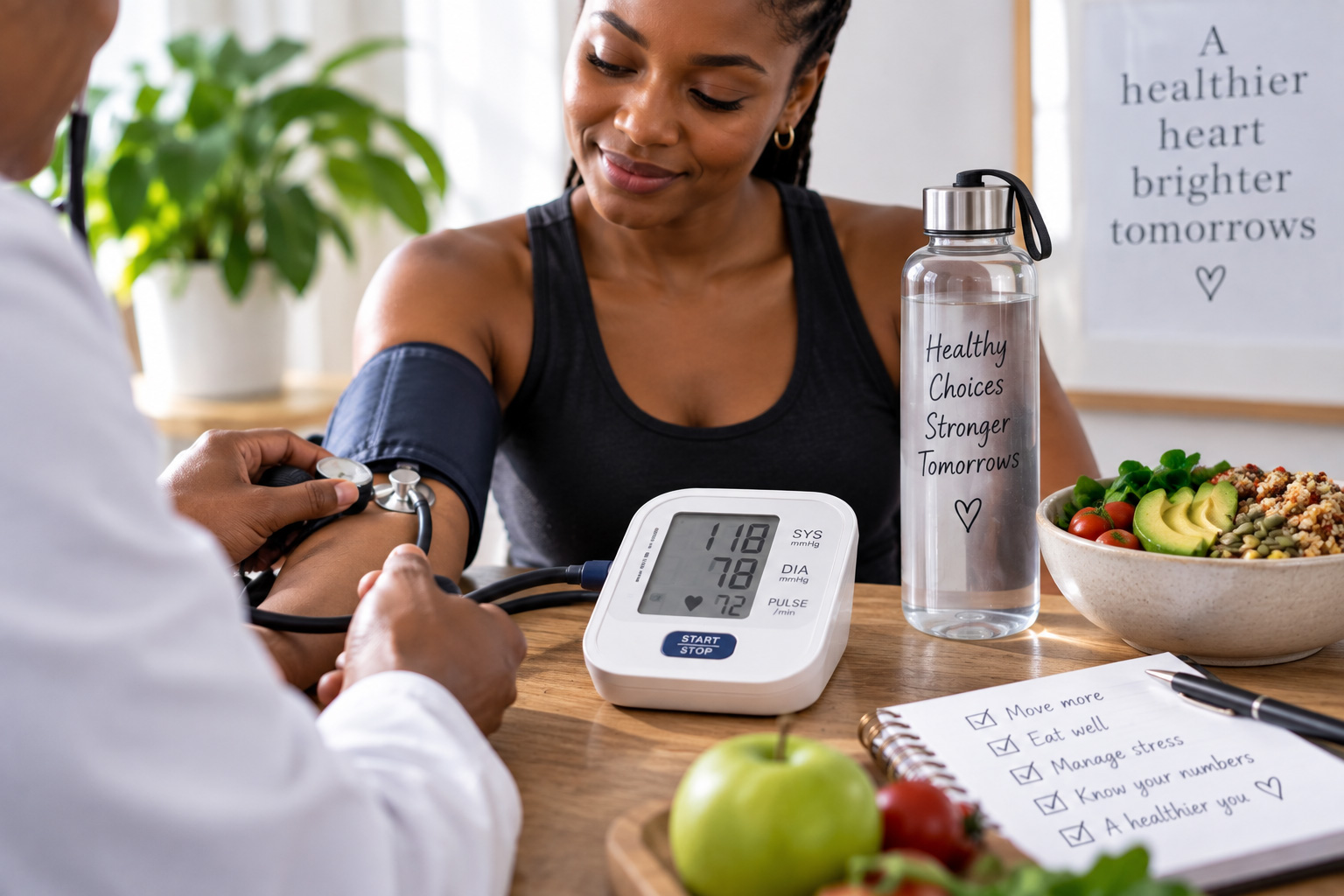
A blood-pressure reading contains two numbers.
The systolic pressure, or top number, measures the pressure when your heart contracts.
The diastolic pressure, or bottom number, measures the pressure when the heart relaxes between beats.
When this pressure remains too high over time, it can gradually damage the blood vessels and place extra strain on the heart and other organs.
High blood pressure is a major concern in Eswatini
Hypertension is not a rare condition.
WHO’s 2025 hypertension profile estimates that approximately 37% of adults aged 30–79 in Eswatini had hypertension in 2024.
The same profile estimated that only around 14% of adults with hypertension had their blood pressure controlled.
This means many people may either not know they have high blood pressure, are not receiving treatment or have blood pressure that remains above the recommended range despite treatment.
High blood pressure is therefore an important part of preventing heart disease and stroke in Eswatini.
The problem is that you may feel completely normal
Some health conditions make you feel obviously unwell.
Hypertension often does not.
Most people with high blood pressure experience no symptoms, even when their readings are significantly elevated.
WHO notes that the only reliable way to know whether you have hypertension is to have your blood pressure measured.
That means you cannot tell that your blood pressure is healthy simply because:
- You feel well
- You are relatively young
- You exercise
- You are not overweight
- You do not have headaches
- You have never had heart problems
Checking it is quick and painless.
What happens if blood pressure stays high?
Over time, uncontrolled blood pressure can damage blood vessels and organs.
It increases the risk of conditions including:
- Heart attack
- Stroke
- Heart failure
- Kidney disease
- Eye damage
- Other cardiovascular complications
WHO identifies hypertension as one of the world’s leading causes of premature death.
The effect builds gradually, which is another reason prevention and early treatment matter.
Who is more likely to develop hypertension?
Anyone can develop high blood pressure, but several factors can increase your risk.
These include:
- Increasing age
- Family history of hypertension
- Being overweight or obese
- Physical inactivity
- Eating too much salt
- Smoking
- Harmful alcohol use
- Diabetes
- Kidney disease
- Certain medications or medical conditions
Some of these risk factors can be changed.
Others, such as age and family history, cannot.
Knowing your risk can help you decide how proactive you need to be about screening.
Salt matters more than many people realise
Salt contains sodium.
Consuming too much sodium can contribute to raised blood pressure, particularly in people who are sensitive to its effects.
And a large amount of dietary salt does not necessarily come from adding salt at the table.
It may already be present in:
- Processed meats
- Packaged snacks
- Instant noodles
- Packet soups
- Seasoning mixes
- Sauces
- Takeaway meals
- Processed foods
WHO’s 2025 profile estimated average salt intake among adults in Eswatini at around 7 grams per day in 2021.
Reducing salt does not mean food has to become bland.
Try adding flavour with:
- Garlic
- Lemon
- Herbs
- Spices
- Chilli
- Fresh vegetables
Taste food before automatically adding extra salt.
Diabetes and heart health are closely connected
Diabetes can damage blood vessels over time.
People living with diabetes therefore have a higher risk of developing cardiovascular complications.
When diabetes and hypertension occur together, controlling both becomes particularly important.
If you live with diabetes, make sure that your healthcare plan includes regular attention to:
- Blood glucose
- Blood pressure
- Cholesterol
- Kidney health
- Eye health
Managing these together provides a much more complete picture of your cardiovascular risk.
Cholesterol matters too
Cholesterol is a fatty substance found in the blood.
Your body needs some cholesterol to function normally, but unhealthy levels of certain blood fats can contribute to fatty deposits developing inside arteries.
Over time, these deposits can narrow the arteries and increase the risk of heart attack and stroke.
A cholesterol test may include measurements such as:
- Total cholesterol
- LDL cholesterol
- HDL cholesterol
- Triglycerides
Your results should be interpreted together with your other risk factors rather than looking at one number in isolation.
Interestingly, Eswatini’s 2024 STEPS data reported that the vast majority of surveyed adults had never had their cholesterol checked, highlighting another area where preventive screening can be valuable.
Smoking affects more than your lungs
Smoking is strongly associated with heart and blood-vessel disease.
Tobacco can damage blood vessels, increase cardiovascular strain and contribute to the development of heart attack and stroke.
Even if you have smoked for many years, quitting still provides health benefits.
If you are finding it difficult to stop, speak to a healthcare professional about strategies and support that may help.
Physical activity protects your heart
Regular movement supports cardiovascular health and can help improve:
- Blood pressure
- Blood sugar control
- Cholesterol
- Weight management
- Cardiovascular fitness
- Stress levels
Exercise does not have to mean joining a gym.
Walking, gardening, cycling, dancing, swimming and active household work can all contribute.
The goal is to make movement part of your routine rather than something you only do occasionally.
If you have known heart disease or have been inactive for a long time, speak to a healthcare professional before starting very strenuous exercise.
Watch your waistline — but don’t focus only on weight
Being overweight can increase the likelihood of high blood pressure, diabetes and cardiovascular disease.
However, body weight is not the only indicator of heart health.
A person who appears slim can still have:
- High blood pressure
- Diabetes
- High cholesterol
- A strong family history of cardiovascular disease
Likewise, someone living in a larger body may have some healthy cardiovascular markers.
This is why measurements and health checks are more useful than assumptions based on appearance.
Stress can affect heart health too
Stress itself is part of normal life.
But long-term stress can contribute indirectly to cardiovascular risk.
Someone experiencing ongoing stress may:
- Sleep poorly
- Exercise less
- Smoke more
- Drink more alcohol
- Eat differently
- Forget medication
- Develop persistently elevated blood pressure
Managing stress therefore forms part of looking after overall health.
Strategies can include physical activity, adequate sleep, maintaining social connections, addressing sources of ongoing stress and speaking to a healthcare professional when anxiety or emotional distress becomes difficult to manage.
How often should you check your blood pressure?
There is no single schedule appropriate for everyone.
Someone with diagnosed hypertension may need much more frequent monitoring than someone with consistently normal readings and few risk factors.
You may need more regular checks if you:
- Already have high blood pressure
- Have diabetes
- Have kidney disease
- Have cardiovascular disease
- Take blood-pressure medication
- Have a strong family history
- Have previously recorded borderline or elevated readings
If you cannot remember when your blood pressure was last measured, that may be a good reason to have it checked.
What does a high reading mean?
Blood pressure should not always be interpreted from one isolated number.
Temporary factors such as:
- Stress
- Pain
- Recent exercise
- Caffeine
- Certain medications
- Poor measurement technique
can affect a reading.
Your healthcare professional may therefore repeat measurements or recommend home monitoring before confirming a diagnosis.
WHO currently defines hypertension in adults as blood pressure of 140/90 mmHg or higher, with diagnosis generally based on elevated readings taken on different days rather than one single measurement.
Do not diagnose yourself from one home reading.
But do not ignore repeatedly elevated readings either.
If you already take blood-pressure medication
One common mistake is stopping treatment once the blood pressure improves.
Someone may think:
“My blood pressure is normal now, so I don’t need the tablets anymore.”
But the normal reading may be because the medication is working.
Stopping treatment can allow blood pressure to rise again.
Take medication as prescribed unless the healthcare professional managing your treatment advises you to change it.
If you are experiencing side effects, discuss them rather than stopping medication on your own.
There are several different types of blood-pressure medicines, and another option may suit you better.
Know the possible warning signs of a heart attack
Heart disease can develop silently, but a heart attack often produces warning symptoms.
These may include:
- Pressure, tightness or pain in the chest
- Pain spreading to an arm, shoulder, jaw, back or upper abdomen
- Shortness of breath
- Sweating
- Nausea
- Light-headedness
- Sudden unusual weakness
Not every heart attack looks exactly the same.
Some people experience less typical symptoms.
If you suspect a heart attack, seek emergency medical care immediately.
Do not wait for an online consultation or see whether the symptoms disappear.
Know the signs of stroke too
High blood pressure is also a major risk factor for stroke.
Warning signs can include sudden:
- Facial weakness or drooping
- Weakness or numbness in one arm or leg
- Difficulty speaking
- Confusion
- Vision problems
- Loss of balance
- Severe unexplained headache
Stroke treatment is time-sensitive.
Seek emergency medical assistance immediately when these symptoms occur.
Small changes are still worthwhile
Heart-health advice can sometimes feel overwhelming.
Eat differently.
Exercise more.
Lose weight.
Stop smoking.
Reduce salt.
Take medication.
Manage stress.
Instead of trying to change everything at once, start with one or two practical steps.
You could:
- Have your blood pressure checked
- Walk regularly
- Reduce added salt
- Take prescribed medication consistently
- Stop smoking
- Book a blood glucose or cholesterol check
- Drink less alcohol
- Add more vegetables to meals
Small habits maintained over time can be more useful than dramatic changes that only last a few days.
World Heart Day: Don’t Miss a Beat
The World Heart Federation’s 2026 World Heart Day campaign continues the message “Don’t Miss a Beat”, drawing attention to cardiovascular disease and the importance of recognising risks and symptoms early.
Heart disease does not only affect elderly people or people who already appear unhealthy.
Risk can develop quietly.
That makes simple checks such as blood pressure, blood glucose and cholesterol valuable tools.
You cannot change every risk factor.
But knowing what is happening inside your body gives you the opportunity to manage the things you can control.
Speak to a TruMD Eswatini healthcare professional
If you are worried about your blood pressure, cholesterol, blood sugar, medication or cardiovascular risk, TruMD Eswatini gives you convenient access to qualified healthcare professionals.
You can discuss your personal and family medical history, current medication and any symptoms you may be experiencing.
Your healthcare professional can advise whether you need blood-pressure monitoring, blood tests, medication review or further in-person assessment.
If you experience severe chest pain, significant shortness of breath, sudden weakness, difficulty speaking or other symptoms suggesting a heart attack or stroke, seek emergency medical care immediately rather than waiting for a routine consultation.
Your heart does not always warn you when something is wrong.
This World Heart Day, start with one simple question:
Do you know your blood pressure?