Breast Cancer in Eswatini: Know Your Normal and Get Checked Early
Many women only see a doctor about their breasts once something feels very wrong. By then, the cancer may have had time to grow. Yet one of the most powerful tools against breast cancer costs nothing at all: knowing what is normal for your own body.
October is Breast Cancer Awareness Month. In Eswatini, breast cancer is the second most diagnosed cancer among women, making up close to 14% of cancers diagnosed in women, according to the Ministry of Health.
Late diagnosis is the biggest danger
Across Africa, many women are diagnosed only when breast cancer is already advanced. This is often because early signs are ignored, people are afraid of what they might hear, or they struggle to reach a clinic.
When breast cancer is found early, treatment is usually simpler and the chances of survival are much higher. Eswatini has been expanding early detection and cancer services, but those services only help if women come forward when they notice a change.
Most lumps are not cancer
Finding a lump is frightening, but most breast lumps turn out to be harmless, such as a cyst. Breasts also change during your monthly cycle, pregnancy, breastfeeding and menopause.
Still, any new lump or change should be checked by a healthcare professional. Do not wait to see if it goes away.
Warning signs to look out for
See a doctor or nurse if you notice:
- A new lump or thickening in the breast or armpit
- A change in the size or shape of one breast
- Dimpling or puckering of the skin, like the skin of an orange
- A nipple that has turned inward
- Discharge from the nipple, especially blood
- A rash, redness or scaling on the nipple or breast
- Swelling in the armpit or near the collarbone
- A sore or wound on the breast that does not heal
Early breast cancer is often painless. No pain does not mean no problem.
How to check your breasts
Check once a month, a few days after your period ends. If you no longer have periods, pick the same date each month.
Look: Stand in front of a mirror with your arms at your sides, then on your hips, then raised above your head. Look for changes in shape, skin or nipples.
Feel: Lying down or in the bath, use the flat pads of your fingers. Move in small circles across the whole breast, from the collarbone to below the breast and from the armpit to the middle of the chest.
Check your armpits for lumps or swelling.
If something feels different from last month, or different from the other side, get it checked.
Who is at higher risk?
Any woman can get breast cancer, but the risk is higher if you:
- Are over 40
- Have a mother, sister or daughter who has had breast or ovarian cancer
- Started your periods early or reached menopause late
- Are overweight, especially after menopause
- Drink alcohol regularly
- Are not physically active
Many women who get breast cancer have none of these risk factors, so every woman should stay aware.
Men can get breast cancer too. It is rare, but men should also get any lump behind the nipple checked.
Fear should not stop you
Some women avoid checks because they believe cancer is always a death sentence, or worry about what family and community will say. Others feel embarrassed about being examined.
The truth is that breast cancer found early can often be treated successfully. Healthcare workers examine breasts every day and will treat you with respect. Taking a friend, sister or partner with you can help.
What happens at a check-up?
A healthcare professional will ask about your symptoms and family history and examine your breasts. If something needs a closer look, you may be referred for:
- An ultrasound or mammogram
- A fine-needle aspiration, where a thin needle takes a small sample of cells for testing
- A specialist appointment
Many of these tests come back clear. If cancer is found, finding it early gives you more treatment options.
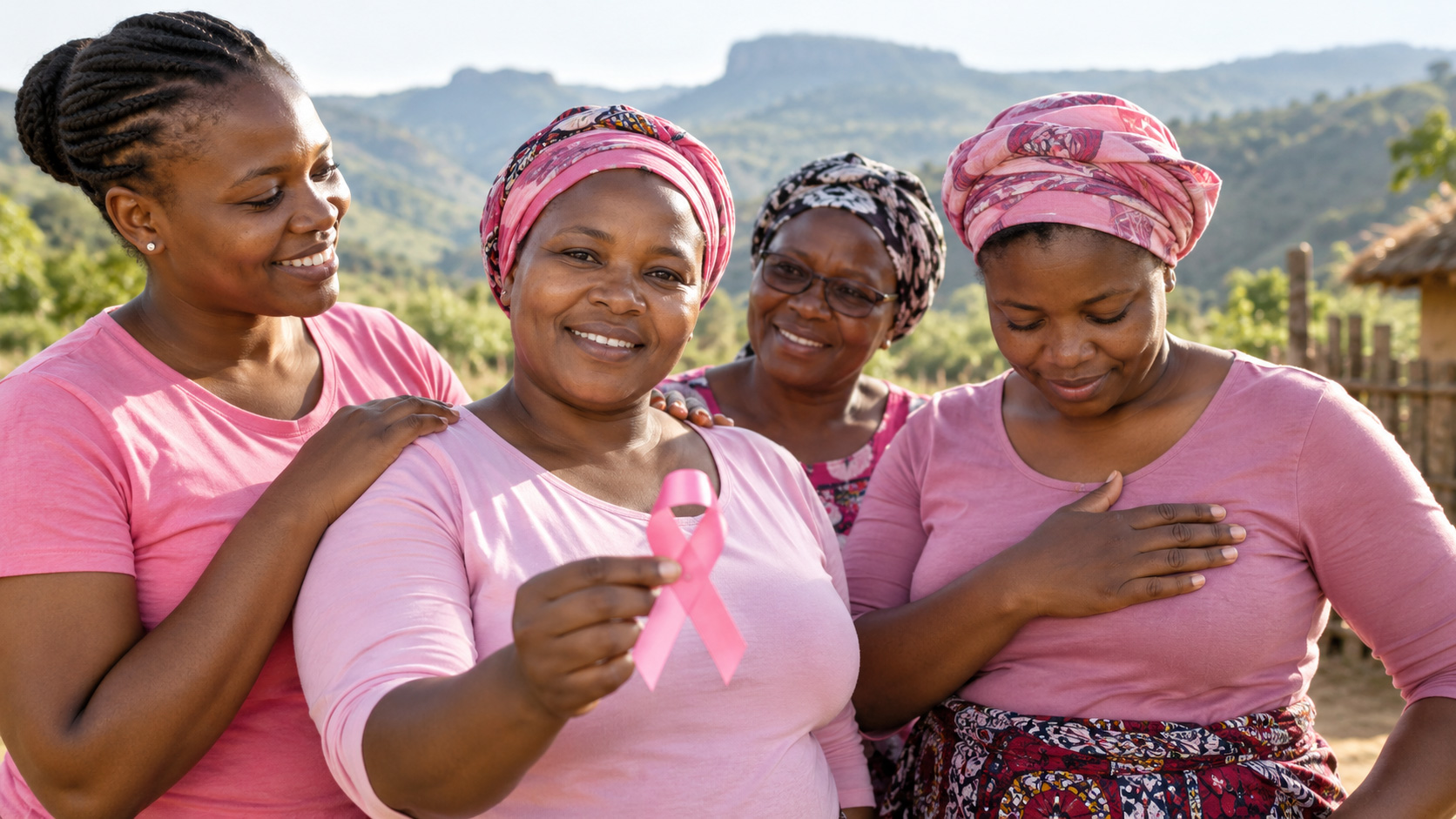
Encourage the women around you
Talk about breast health with your mother, sisters, friends and colleagues. Remind each other to check monthly. One conversation could lead someone to get a lump checked in time.
Speak to a TruMD Eswatini healthcare professional
If you have noticed a change in your breasts, or you are unsure whether you need screening, a TruMD Eswatini healthcare professional can talk through your concerns from wherever you are, and refer you for an examination, scan or specialist if needed.
Knowing your normal could save your life. This October, check yourself and encourage someone you love to do the same.