Malaria Season Is Coming: How to Protect Your Family in Eswatini
Eswatini has made remarkable progress against malaria and is working towards eliminating it. But malaria has not gone away. With the rains on their way, now is the time to make sure you and your family know how to stay protected.
Where and when is the risk highest?
Malaria is spread by the bite of an infected mosquito. In Eswatini, the risk is highest in the eastern and northern Lowveld, mainly from November to May, when warm, wet weather allows mosquitoes to breed. Parts of the Lubombo and Hhohho regions have been the focus of recent outbreaks. The western half of the country, including Mbabane, has very low risk.
People travelling to neighbouring countries where malaria is more common, such as Mozambique, are also at risk and can bring the infection home.
Malaria is still a real threat
In 2025, Eswatini recorded 360 malaria cases and five deaths, according to the Ministry of Health. Most of the cases investigated were picked up locally, not brought in from outside the country. That is a reminder that prevention still matters at home.
Know the signs
Symptoms usually appear between 7 and 30 days after an infected mosquito bite, but can take longer. They often feel like flu:
- Fever, which may come and go
- Chills and shivering
- Sweating
- Headache
- Body aches and tiredness
- Nausea, vomiting or diarrhoea
Because malaria can look like flu or other infections, the only way to know for sure is a blood test.
Malaria can become serious quickly
Without treatment, malaria can become severe within a day or two, especially in young children, pregnant women and people with weakened immune systems.
Get emergency help if someone with a fever:
- Becomes confused or very drowsy
- Has a seizure (fit)
- Has difficulty breathing
- Becomes very weak or cannot sit up
- Has dark urine or yellow eyes
- Stops eating or drinking
In an emergency, call 977 or go to the nearest hospital.
Test early, treat early
If you have a fever and live in, or have recently visited, a malaria area, get tested at your nearest clinic as soon as possible. Tell the healthcare worker where you have been, including trips to Mozambique or other countries.
Malaria can be cured with the right medication when it is caught early. Always finish the full course, even if you feel better.
Protect yourself from mosquito bites
Mosquitoes that spread malaria bite mostly between dusk and dawn.
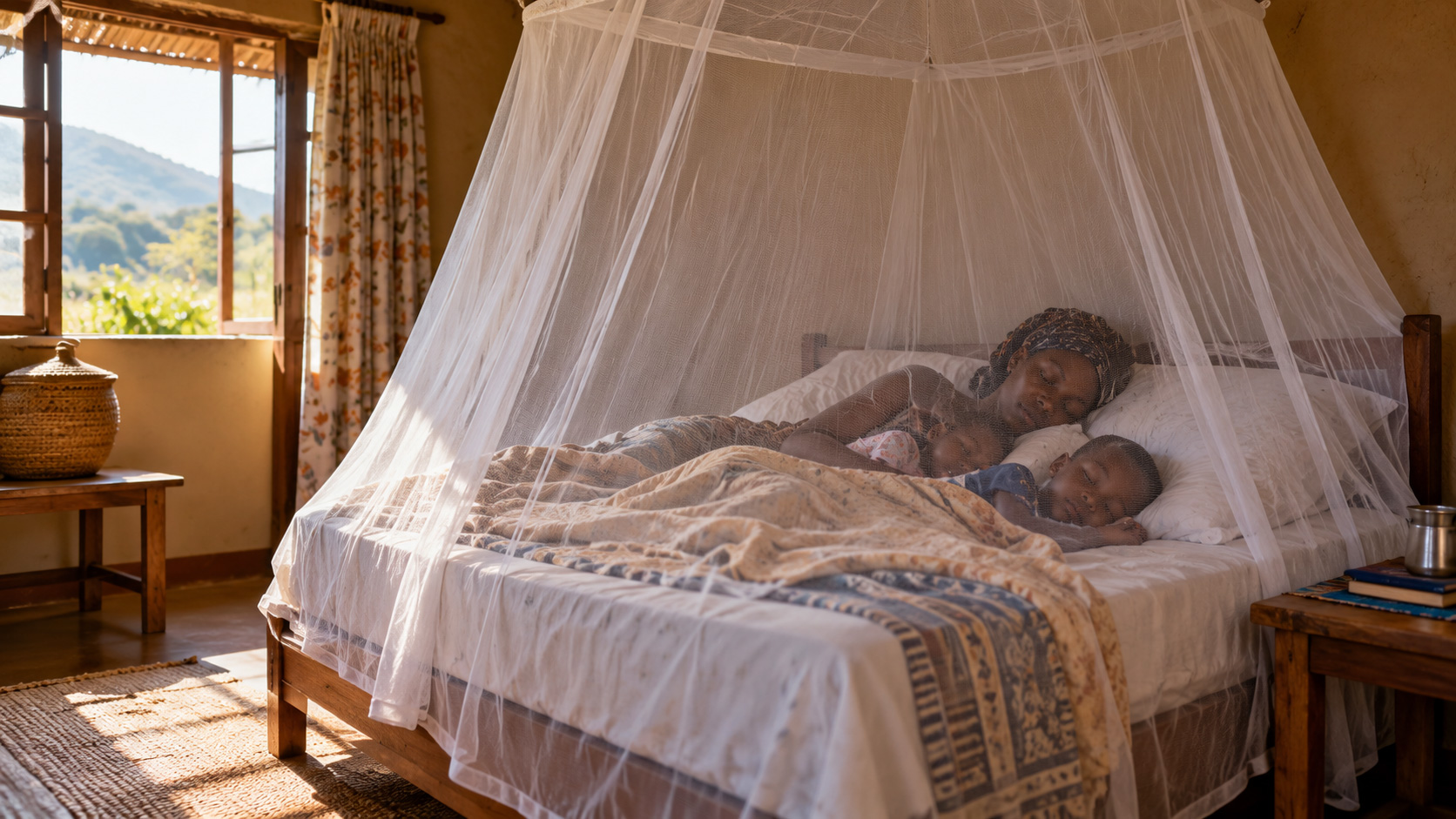
- Sleep under an insecticide-treated mosquito net, and tuck it in
- Wear long sleeves and long trousers in the evening
- Apply insect repellent to exposed skin from dusk to dawn
- Allow indoor residual spraying teams into your home when they visit
- Close windows and doors at night, or use screens
- Clear standing water around your home, such as in old tyres, buckets and containers
Travelling to a malaria area?
If you are travelling to Mozambique or another country where malaria is common, speak to a healthcare professional before you go. You may need medication to prevent malaria. If you develop a fever during or after your trip, even weeks later, get tested and mention where you travelled.
Everyone has a role
Eswatini’s goal of eliminating malaria depends on communities. Every case that is found early and treated stops the infection from spreading to others. Take part in community health sessions, support spraying programmes and encourage family members with a fever to get tested.
Speak to a TruMD Eswatini healthcare professional
If you have a fever, are planning a trip to a malaria area, or want advice on protecting your family, a TruMD Eswatini healthcare professional can help you decide on the next steps and refer you for testing. If someone shows danger signs, do not wait. Go to the nearest hospital.
Malaria is preventable and curable. This rainy season, protect your home and act fast on a fever.