Stroke: Know the Signs and Act FAST
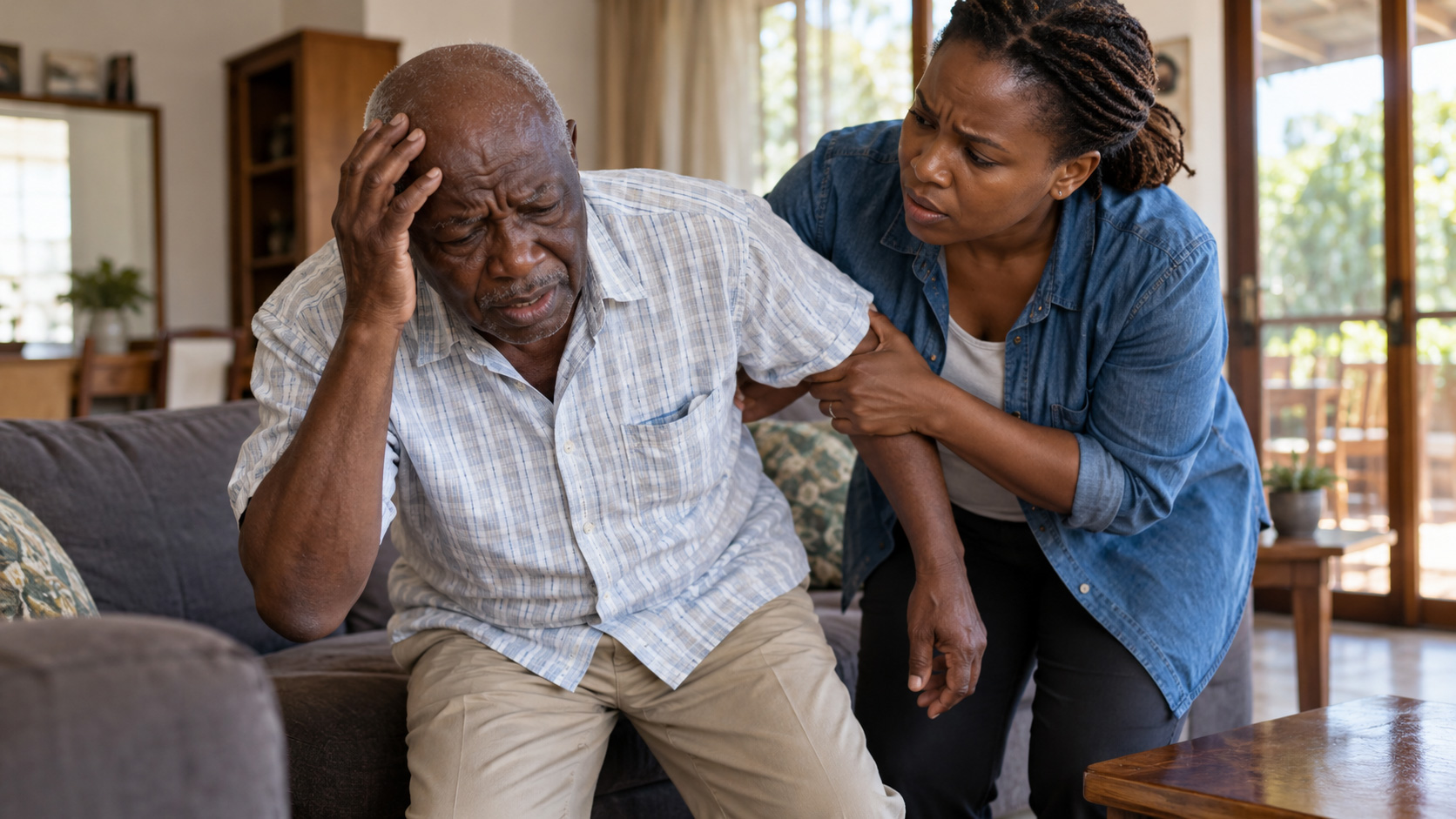
A stroke can happen suddenly, to anyone. One moment a person is talking normally, the next their face droops or their words come out wrong. What happens in the next few minutes and hours can make the difference between recovery and lasting disability.
World Stroke Day is on 29 October. Learning the signs only takes a minute.
What is a stroke?
A stroke happens when blood flow to part of the brain is blocked or a blood vessel in the brain bursts. Without blood and oxygen, brain cells start to die within minutes.
Remember FAST
- F – Face: Ask the person to smile. Does one side of the face droop?
- A – Arms: Ask them to raise both arms. Does one arm drift down or feel weak?
- S – Speech: Is their speech slurred, confused or hard to understand?
- T – Time: Get emergency help immediately
Other sudden signs
- Numbness or weakness on one side of the body
- Confusion or trouble understanding
- Trouble seeing in one or both eyes
- Dizziness, loss of balance or difficulty walking
- A sudden, severe headache
What to do
- Call 977 immediately or get the person to the nearest hospital as quickly as possible. If you have a car and an ambulance will take long, do not wait
- Note the time the symptoms started and tell the healthcare team
- Do not give food, drink or medication, as swallowing may be affected
- Lay the person on their side if they are drowsy or vomiting
- Stay with them and keep them calm
Do not wait to see if the symptoms pass. Some treatments for stroke only work if given within a few hours.
Do not ignore a mini-stroke
A transient ischaemic attack (TIA), or mini-stroke, causes stroke signs that disappear within minutes or hours. It is a warning that a bigger stroke may follow. Anyone who has had these symptoms should get medical help urgently, even if they now feel fine.
Some people turn to other remedies first
When a stroke happens, some families first visit a traditional healer, pray at home or wait to see if the person gets better. These delays can cost precious time. A stroke is a medical emergency, and the best chance of recovery comes from getting to hospital immediately. If you use traditional remedies, tell your doctor.
High blood pressure: the biggest risk
High blood pressure is the single biggest risk factor for stroke, and many people in Eswatini have it without knowing. It usually causes no symptoms, so the only way to know is to get checked. Read more in our article on High Blood Pressure: The Silent Heart Risk You May Not Know You Have.
Other risk factors include:
- Diabetes
- High cholesterol
- Smoking
- Drinking too much alcohol
- Being overweight
- Not being physically active
- An irregular heartbeat
- A family history of stroke
Lowering your risk
- Have your blood pressure checked regularly
- Take blood pressure and diabetes medication every day as prescribed, even when you feel well
- Cut down on salt, stock cubes and processed foods
- Stop smoking
- Limit alcohol
- Aim for at least 30 minutes of activity, such as brisk walking, on most days
Life after a stroke
Recovery can take months and may include physiotherapy, speech therapy and help with daily activities. Family support makes a big difference. Regular check-ups and medication help prevent another stroke.
Speak to a TruMD Eswatini healthcare professional
If you see stroke signs, call 977 or get to a hospital immediately. To lower your risk before an emergency happens, a TruMD Eswatini healthcare professional can help you manage your blood pressure, diabetes and cholesterol, review your medication and refer you for tests if needed.
This World Stroke Day, learn FAST and share it with your family.